Chelsea SW3 removals guide for narrow streets and mews

Moving in Chelsea SW3 can feel straightforward on paper and then, the moment a van turns into a narrow side street or a mews, everything becomes a bit more delicate. Tight corners, low arches, resident-only parking, busy school runs, awkward loading gaps, and neighbours who quite rightly expect a calm day can all shape the move more than the distance between addresses. This Chelsea SW3 removals guide for narrow streets and mews is designed to help you plan properly, avoid the usual snags, and keep the day moving without the last-minute scramble that nobody enjoys.
Truth be told, the difference between a smooth Chelsea move and a stressful one is often not strength or speed. It is preparation. In a place where access matters as much as handling, a few smart decisions can save hours. Below, you will find practical steps, realistic examples, a comparison of move types, and the kind of advice people usually wish they had a week earlier.
Why Chelsea SW3 removals guide for narrow streets and mews Matters
Chelsea is one of those London areas where the street layout can change everything. A larger road may look fine at first glance, but many residential pockets in SW3 are built around narrow access routes, mews terraces, shared entrances, and limited kerb space. That means a standard move plan can fall apart very quickly if it assumes easy roadside parking and wide loading space.
Why does that matter so much? Because removals are not only about moving boxes from one place to another. They are about safely getting furniture, appliances, and fragile items out of one property, into the vehicle, and then out again at the other end, without damage, delays, or awkward conflict with traffic and residents. In Chelsea, the access route itself often becomes the main event.
Small details add up fast. A double bed that would glide out of a suburban house may need to be dismantled in a mews maisonette because the stairwell turns sharply. A sofa that seems manageable may catch on a narrow hallway corner. A van that fits on the main road may struggle to wait legally near a gated mews. It is all very manageable, but only if you plan for the real environment rather than the ideal one.
Key point: in Chelsea SW3, the route to the property is part of the job. Treat access planning as seriously as packing, and the day gets much easier.
If you are comparing move types, it helps to think about vehicle size, carrying distance, and how much support you need. For a compact move, a flexible man and van service may be enough. For larger homes or more complex access, a fuller package such as home moves or house removalists may be the better fit.
How Chelsea SW3 removals guide for narrow streets and mews Works
The process usually starts with access assessment. That is simply a practical review of how the team will reach the property, where the vehicle can stop, how far items must be carried, and whether any furniture needs dismantling or protection before removal. In Chelsea, this assessment is rarely optional. It is the thing that keeps the rest of the move sensible.
Once the access picture is clear, the move is planned around timing, vehicle choice, packing method, and the order in which items are taken out. For example, if the front street is too tight for prolonged parking, the crew may need to use a timed arrival window, a smaller vehicle, or a shuttle arrangement from a nearby loading point. Nothing exotic. Just practical.
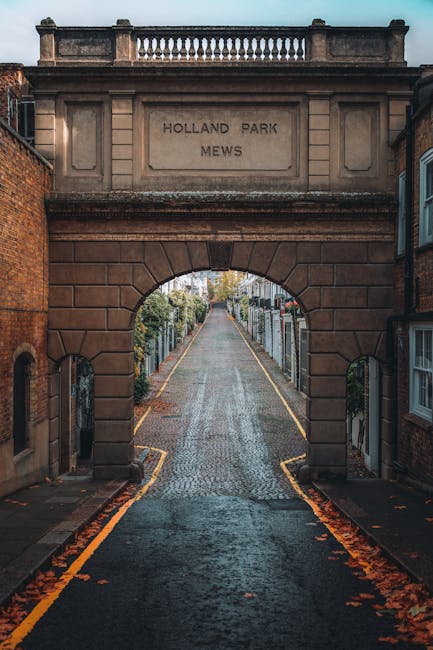
In a mews, the route can be deceptively tricky. You may have a narrow entrance, a shared driveway, a low arch, or a bend where a tall item needs to be carried upright and then tilted. The right team will plan for those details before they arrive, not after the first wardrobe gets stuck. It sounds obvious. Yet that is exactly where trouble often starts.
Where offices or business premises are involved, the planning becomes even more important because neighbours, deliveries, and building access can all overlap. In those cases, commercial moves and office relocation services may be more appropriate than a simple residential move.
A sensible removal plan in Chelsea typically includes:
- a walkthrough of the property and access route
- vehicle sizing based on street conditions, not guesswork
- parking or loading strategy for the exact time of day
- protection for floors, banisters, walls, and door frames
- dismantling plans for bulky furniture
- packing priorities for fragile or urgent items
That approach keeps the move organised and reduces the chance of multiple trips. And multiple trips, in Chelsea, can be what turns a decent day into a long one. Nobody needs that.
Key Benefits and Practical Advantages
There are good reasons people invest in a properly planned removals service for SW3. First, it reduces risk. Narrow streets and mews properties are not forgiving if something heavy scrapes a wall or if a van blocks the wrong section of road. A structured approach cuts those risks down right away.
Second, it saves time. If the crew already knows where to park, how long the carry distance is, and which items need dismantling, the day runs in a calmer order. You are not standing in a doorway at 10:15 wondering why a wardrobe is still intact and the van is three streets away. That sort of delay is common enough, but avoidable.
Third, it protects the property itself. Chelsea homes can have older finishes, polished floors, and tight internal turns. A careful team will use floor runners, blankets, door protection, and sensible lifting technique so the home is left as it should be. In a mews, where every scratch is visible and every sound seems louder than it should, that matters.
Fourth, it makes decisions easier. Once the access plan is clear, you can work out whether you need packing help, a smaller vehicle, furniture dismantling, or an overnight staging arrangement. That is where services such as packing and unpacking services and removal truck hire can be genuinely useful rather than simply convenient.
Practical advantages at a glance
- Less chance of blocked access or parking problems
- Safer handling in narrow stairwells and hallways
- Reduced damage to furniture and property
- Clearer timing and fewer surprise delays
- Better fit between the job size and the vehicle used
There is also a quieter benefit: peace of mind. If you have ever tried to move while keeping one eye on the street and another on the clock, you will know how much calmer it feels when the logistics are under control.
Who This Is For and When It Makes Sense
This guide is for anyone moving into, out of, or within Chelsea SW3 where the access is tight or the property sits in a mews. That includes tenants moving from a first-floor flat, families leaving a townhouse, landlords preparing a property for new occupants, and professionals relocating smaller homes or studios. It also applies if you are moving from one Chelsea address to another and assume the short distance makes the job simple. Short distance does not always mean simple. Not here, anyway.
It makes particular sense if any of the following sound familiar:
- the street is too narrow for long parking
- there is only one practical loading point
- the property has a steep or winding staircase
- you have bulky furniture, mirrors, or antiques
- you need a precise moving window because of building rules
- the move includes office equipment, stock, or sensitive files
If you are unsure about the best setup, a flexible man with van option may work for a lighter move, while a more fully managed service is often better for larger properties or more awkward access. There is no prize for choosing the biggest vehicle if it cannot actually reach the door.
For readers moving a business base or studio setup, it can also help to review commercial moves alongside household services. Chelsea is mixed-use in many places, and the move should match the building, not the other way around.
Step-by-Step Guidance
Here is the practical version. No fluff.
- Walk the route from the property to the street. Check stairs, corners, gates, shared halls, and any area where a large item might need turning or lifting.
- Measure the bulky items. Sofas, wardrobes, mattresses, fridge-freezers, dining tables, and oversized artwork are the usual suspects. Measure width, height, and depth. Do not rely on memory; memory is creative.
- Check vehicle access realistically. Look at where a van can wait, whether there are height restrictions, and whether the stop point would be legal and practical at the time of day.
- Decide what needs dismantling. Beds, modular wardrobes, and some tables are much easier to move in parts. Keep fixings in labelled bags.
- Pack by priority, not by room alone. Put essentials, documents, chargers, medication, and a basic kettle box somewhere easy to reach. First night comfort matters more than you think.
- Protect surfaces early. Move blankets, runners, and corner guards into place before the heaviest items start shifting.
- Sequence the load. Heavier items go in first, fragile items are secured, and the most urgently needed boxes are loaded last if they must be unloaded first.
- Allow time for the unexpected. A stairwell may be tighter than expected. A vehicle may need repositioning. Leave room in the schedule for one or two small delays.
A small but useful habit: take photos of tricky areas before move day. A narrow alley, a mews gate, a low ceiling, or a sharply angled hallway can be easy to forget once the packing starts. Those pictures can save a few phone calls and a lot of head-scratching.
If you are planning the move in stages, furniture pick up can be useful for removing items you no longer want to take with you. That can reduce volume and make the whole job less crowded. Less clutter, less stress. Simple really.
Expert Tips for Better Results
One of the best tips for Chelsea SW3 is to think in terms of carry distance, not just vehicle size. A smaller van parked closer to the entrance can be far more efficient than a larger truck parked a long walk away. You want fewer steps, fewer turns, fewer chances for things to get awkward.
Another practical point: protect your neighbours as well as your furniture. In narrow streets and mews, sound carries. Doors banging, trolleys rattling, and repeated trips can all become noticeable. A good crew keeps noise controlled and works with steady, measured movement. It is just better manners, and it tends to keep everyone happier.
Try to keep a clear path inside the property from the last 24 hours before the move. If the hallway is full of bags, shoes, prams, or random storage boxes, everything slows down. On a bright Saturday morning, that small clutter suddenly feels much larger than it looked the night before.
When there is valuable or delicate furniture involved, ask for careful handling and proper protection. Not every item needs specialist treatment, but some do. A marble top, an old mirror, or a high-gloss cabinet can deserve extra wrapping and a slower carry. That is not overkill. It is sensible.
One more thing. If you are arranging the move around work or family routines, build the day from the most stressful point backwards. Sounds odd, but it works. If the school run, concierge access, or lift booking is the hardest piece, lock that in first and let the rest of the move follow around it.
For some moves, especially where timing and vehicle access matter, you may want to compare different vehicle-based services such as moving truck options or, for simpler jobs, a lighter support setup. The right fit depends on the street more than the postcode does.
Common Mistakes to Avoid
People usually do not get Chelsea moves wrong because they are careless. They get them wrong because they underestimate the access problem. That is a very human mistake, and a common one.
- Assuming a big van is always better. In narrow streets, a smaller vehicle can be the smarter choice.
- Not checking parking realities in advance. "We will find somewhere" is not a plan.
- Forgetting internal bottlenecks. Stairs, tight corners, and low ceilings matter just as much as the road outside.
- Packing too late. Rushed packing leads to broken handles, missing labels, and a lot of unnecessary stress.
- Ignoring dismantling time. Furniture rarely takes apart itself. Annoying, but true.
- Not protecting the property. Scratches in a mews entrance or hallway feel avoidable because they usually are.
- Leaving important items in unclear boxes. Keep essentials visible and separate.
Another mistake is treating Chelsea as if every part of SW3 moves the same way. It does not. A wide main road and a tucked-away mews have completely different logistics. The best plan reacts to the actual building and street pattern, not a generic postcode assumption.
Tools, Resources and Recommendations
You do not need a massive kit, but a few sensible tools make narrow-street removals much easier. The right basics save a surprising amount of hassle.
- Measuring tape: useful for doors, stairwells, furniture, and access gaps
- Labels and marker pens: for clear box marking and room grouping
- Removal blankets and covers: to protect furniture and surfaces
- Strong tape and spare bags: for fixings, cables, and dismantled parts
- Floor protection: especially useful in older properties or polished finishes
- Portable lights: helpful in dim mews entrances or basements
For more structured help, many people choose a managed packing option from packing and unpacking services. That can be particularly useful if you are juggling work, family, or a deadline and simply cannot spend two evenings wrapping kitchenware. Let's face it, nobody loves living surrounded by half-packed boxes.
If you are trying to reduce volume before move day, consider arranging a separate item removal for unwanted furniture rather than taking it with you. That is where a service like furniture pick up can support the wider move plan. Fewer items means fewer decisions on the day.
And if your priority is simply getting a reliable quote for a narrow-street or mews move, start with pricing and quotes so you can compare the level of support against the complexity of your access. Transparent pricing is especially useful when the move includes difficult parking or extra carrying time.
Law, Compliance, Standards, or Best Practice
For most domestic moves, the legal and compliance side is straightforward, but it still matters. Local parking rules, loading restrictions, building access requirements, and lease conditions can all affect what happens on move day. In Chelsea, those practical rules often matter more than the move distance itself.
Best practice usually means:
- checking whether the property has any management or concierge rules
- allowing for resident-only or limited loading areas
- making sure access does not block emergency routes
- keeping walkways clear while items are being carried
- using proper lifting technique and safe handling methods
Health and safety should not be treated as a box-ticking exercise. Heavy lifting in tight spaces is one of those tasks that looks simple until the angle is wrong. Good movers will follow sensible manual handling practices and use equipment that suits the route. If you want reassurance on that side, look at a provider's health and safety policy and insurance and safety information before booking.
It is also sensible to check the terms of service, payment conditions, and cancellation details in advance. That is not being awkward; it is being organised. For a move with lots of variables, small-print clarity is a gift.
Options, Methods, or Comparison Table
Different Chelsea moves call for different approaches. Here is a practical comparison to help you decide what fits best.
| Option | Best for | Strengths | Watch out for |
|---|---|---|---|
| Man and van | Small to medium moves, lighter furniture, flexible access | Flexible, often efficient for short local jobs | May need extra trips if volume is underestimated |
| Home moves | Full household relocations | More complete planning and support for larger loads | Needs clear access details to avoid delays |
| House removalists | Multi-room homes, stairs, and bulky items | Structured handling and stronger moving support | May be more than needed for very small moves |
| Removal truck hire | Jobs needing a dedicated vehicle or larger load capacity | Useful for bigger volumes and staged loading | Parking and turning space must suit the vehicle |
The right choice depends on more than cost. A cheaper option that cannot navigate the street properly is not really cheaper once time, inconvenience, and extra handling are added in. That sounds obvious, but people still get caught by it.
If the move involves business stock, equipment, or a mixture of home and work items, a look at office relocation services may also help you decide whether the job needs a more organised commercial-style setup.
Case Study or Real-World Example
Imagine a couple moving from a Chelsea mews house into a nearby flat a few streets away. On paper, it is a short local move. In practice, the mews entrance only allows brief stopping, the hallway has a sharp turn, and the sofa is too wide for the staircase in one piece. The first instinct might be to push ahead and hope for the best. That rarely ends well.
Instead, the team measures the sofa, checks the turning point, and removes the legs before lifting. They schedule arrival for a quieter window, so there is less pressure from passing traffic. A smaller vehicle is used for the load that needs to go out first, and fragile items are separated into clearly marked boxes. The move still takes time, but it stays controlled. No panic, no scraping, no pile-up on the pavement.
A small detail made the biggest difference: the client had photographed the mews entrance in advance and shared the images early. That let the movers plan the lift path before anyone arrived. It is one of those tiny things that feels almost too simple, yet it can save the day.
For another example, a small design studio moving out of a mixed-use Chelsea property might need a commercial approach rather than a standard household job. In that case, services tied to commercial moves are often a better fit because the item list, timing, and access needs are all a little different.
Practical Checklist
Use this before move day, ideally with a cup of tea and a few minutes of quiet.
- Measure the widest furniture pieces and the tightest access points
- Confirm where the vehicle can stop legally and safely
- Check stairwells, gates, archways, and turning points
- Decide which furniture should be dismantled
- Label boxes by room and priority
- Pack a first-night essentials box
- Protect floors, walls, and door frames
- Set aside tools, screws, keys, and documents
- Tell neighbours or building management if needed
- Keep contact details handy on the day
- Review the booking, price, and any access notes
If you are still deciding between a compact and more comprehensive move, compare the service pages carefully and think about the number of items, not just the postcode. The route matters. The furniture matters. And the mood of the day matters too, honestly.
Get a free quote today and see how much you can save.
Conclusion
A Chelsea SW3 move through narrow streets and mews is very doable when it is handled with proper planning, realistic timing, and the right type of support. The main job is not forcing a standard removals process onto a non-standard location. It is adapting the move to the access you actually have.
That means measuring properly, choosing the right vehicle, packing smart, and taking the street layout seriously from the start. Do that, and the day becomes calmer, quicker, and far less stressful for everyone involved. Not perfect, perhaps. But smooth enough, and that is often what matters most.
If you are preparing a move in Chelsea and want a team that understands tight access, careful handling, and local logistics, you can explore the service options, review the company background on about us, and make sure the rest of the booking details suit you. A well-planned move really can feel lighter, even before the first box is lifted.
Frequently Asked Questions
What makes Chelsea SW3 removals different from other London moves?
The main difference is access. Narrow streets, mews entrances, tight staircases, and limited loading space can make the move more complex than the distance suggests. Planning matters more here than in many other areas.
Is a man and van enough for a Chelsea mews move?
Sometimes, yes. For lighter moves or short local relocations, a man and van service can be a practical choice. If the property has a lot of furniture or difficult access, a fuller moving setup may be better.
How do I know if my furniture will fit through the staircase?
Measure the widest items and compare them with the narrowest points in the staircase, hallway, and doorway. If in doubt, ask for an access review and consider dismantling larger items before move day.
Should I book parking or loading space in advance?
If access is tight, yes, it is wise to think ahead. The exact local rules depend on the street and timing, so the safest approach is to plan your stopping point as early as possible and avoid leaving it to chance.
What if the van cannot stop right outside the property?
That is common in Chelsea. The team may need to park a short distance away and carry items carefully to the vehicle. It is less convenient, but manageable with the right planning.
Do I need packing help for a narrow-street move?
Not always, but packing help can be very useful when the move is busy or time-limited. Packing and unpacking services are especially helpful if you want to reduce stress and speed up the day.
How early should I start preparing for a Chelsea SW3 move?
Earlier than you think. Even a local move benefits from early measurement, packing, and access checks. A few days can be enough for a small move, but bigger homes or awkward mews access usually need more lead time.
What should I do with furniture I do not want to take?
Remove it before move day if possible. That keeps the load smaller and the route clearer. A separate furniture pick up arrangement can be a practical way to deal with unwanted items.
How do moving companies handle fragile items in tight spaces?
Fragile items should be wrapped properly, carried separately where needed, and protected along the route. The key is slowing the process down just enough to keep the item and the property safe.
Is Chelsea SW3 suitable for larger removal trucks?
Sometimes, but not always. Narrow streets and mews access can make a large vehicle awkward. In some cases, smaller vehicle planning or a dedicated removal truck hire setup may be more appropriate, depending on the route and load.
What should I check before confirming a booking?
Check the vehicle type, access assumptions, packing expectations, price details, insurance information, and any cancellation or payment terms. It is also sensible to review the company's terms and conditions and payment and security information before you commit.
Can business moves in Chelsea use the same approach as home removals?
Not quite. Office equipment, files, and working schedules often need a more structured approach. For that reason, many businesses look at office relocation services or broader commercial moves support rather than a standard home move setup.