London fly-tipping and disposal rules for moving firms: a practical guide for safer, cleaner removals
If you move people, stock, furniture, or office equipment in London, disposal is never just a side task. London fly-tipping and disposal rules for moving firms affect how you handle unwanted items, what you leave behind, where waste goes, and how you protect your business from complaints or fines. Get it wrong, and a normal day can turn into a very expensive headache. Get it right, and you move faster, cleaner, and with a lot less stress.
This guide breaks the topic down in plain English. You'll learn what fly-tipping means in a moving context, how disposal duties usually work, what counts as best practice, and how to build a simple process your team can actually follow. We'll also cover common mistakes, a practical checklist, and the real-world decisions that matter when you're working in tight London streets, shared stairwells, and time-pressured move days. Truth be told, that's where most problems start.
Contents
- Why London fly-tipping and disposal rules for moving firms matters
- How London fly-tipping and disposal rules for moving firms works
- Key benefits and practical advantages
- Who this is for and when it makes sense
- Step-by-step guidance
- Expert tips for better results
- Common mistakes to avoid
- Tools, resources and recommendations
- Law, compliance, standards, or best practice
- Options, methods, or comparison table
- Case study or real-world example
- Practical checklist
- Conclusion
- Frequently asked questions
Why London fly-tipping and disposal rules for moving firms matters
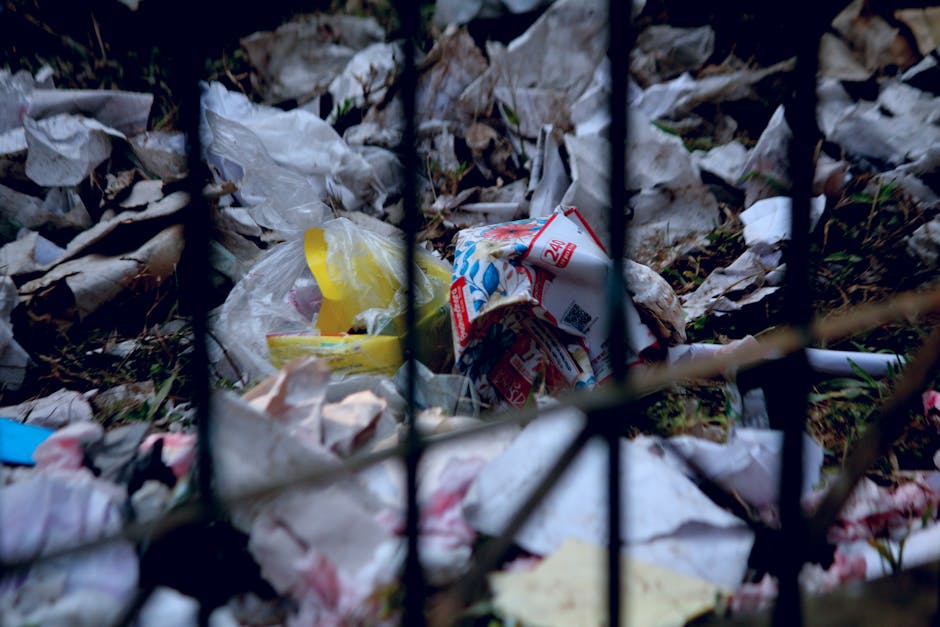
Fly-tipping is the illegal dumping of waste. For moving firms, the issue is broader than "don't dump rubbish in an alley." It includes leaving unwanted furniture by a bin store, placing black bags on a pavement because the van is full, transferring waste to someone without the right permissions, or assuming a client's old sofa can be left wherever is convenient. In London, that kind of shortcut can create serious problems very quickly.
Why does it matter so much? Because removals generate awkward waste streams. Broken drawers, packaging, old carpets, office shred, mattresses, damaged appliances, and end-of-tenancy clutter all need a decision. If that decision is rushed, the whole chain can become risky. And in a city where space is tight, neighbours notice. So do residents, building managers, and councils. One bag in the wrong place can become a complaint before the kettle's even boiled.
There's also a commercial reality. Clients want a move to feel organised, not messy. A firm that handles disposal properly looks calmer, safer, and more professional. That matters for home moves, commercial moves, and office relocation alike. If you want to keep service quality high, disposal has to be part of the moving plan, not an afterthought.
For firms offering home moves, commercial moves, or office relocation services, the disposal side of the job can directly affect timings, client satisfaction, and risk. Even a well-run team can run into trouble if they treat unwanted items casually.
Key takeaway: in London, disposal is part of the move itself. If waste is not handled carefully, it can become a legal issue, a reputational issue, and a safety issue at the same time.
How London fly-tipping and disposal rules for moving firms works
At a practical level, the rules revolve around responsibility, traceability, and lawful disposal routes. Moving firms need to know what they are taking away, who owns it, where it is going, and whether any special handling is required. That sounds formal, but in day-to-day terms it usually comes down to a few simple questions.
First: is the item waste, reuse, donation, storage, or return? A wardrobe that is still usable is not the same as a smashed wardrobe panel. Second: who has authorised removal? Third: does the load contain anything that needs extra care, such as electrical items, sharp objects, confidential papers, or broken glass? Fourth: where is the material going after collection? A licensed disposal route, a reuse channel, or a recycling stream should be decided before the van door shuts.
London adds a few wrinkles. Access can be awkward, unloading bays can be time-limited, and blocks of flats often have strict building rules. A crew may have to work around lift bookings, concierge instructions, or timed parking. That makes planning even more important because "we'll sort it later" is exactly the sort of phrase that causes fly-tipping-type mistakes. In moving work, later often means never.
In many cases, the safest approach is to separate the move into categories:
- Items to be moved to the new property or office
- Items to be recycled through a lawful route
- Items to be reused or donated if suitable
- Items to be disposed of because they are damaged, unsafe, or no longer wanted
That simple sorting step reduces confusion. It also helps if you use a service like furniture pick-up for bulky items that are no longer needed, rather than letting them drift into the "we'll deal with it somehow" pile. To be fair, that pile gets big fast.
For equipment-heavy jobs, the vehicle matters too. A properly planned load in a moving truck or through removal truck hire gives you more control over separation, protection, and unloading order. That sounds obvious, but a messy load is how damage and misrouting happen.
Key benefits and practical advantages
Good disposal practice is not just about avoiding trouble. It actually improves the move. A lot. Here's why.
- Cleaner job sites: hallways, pavements, and loading areas stay clearer, which lowers the chance of complaints.
- Lower risk of penalties or disputes: traceable disposal and sensible handling reduce the chance of being blamed for unlawful dumping.
- Better time control: the crew knows what stays, what goes, and what needs a separate run.
- Less damage: separating waste from valuable furniture means fewer knocks, scuffs, and accidents.
- Stronger client trust: people notice when a moving team leaves a property tidy.
- More sustainable outcomes: reusable items can be diverted away from disposal where appropriate.
There's a quieter benefit too. It makes the whole operation feel professional. Clients often remember the final ten minutes of a move: the clear landing, the swept floor, the tidy pile ready for lawful collection. That small finish can matter more than a polished sales pitch.
If your business handles awkward jobs or mixed loads, disposal planning also supports your admin and pricing. It becomes easier to explain what's included, what is extra, and what must be handled separately. You can pair that with a transparent quote process through pricing and quotes so nobody is left guessing.
Who this is for and when it makes sense
This topic matters to more people than you might expect. It is not only for large removal companies with multiple vans. Small operators, one-man teams, and specialist handlers all need to think about disposal carefully.
It is especially relevant if you are:
- a moving firm handling house clearances or part-clearances
- a man-and-van operator taking mixed loads from flats or offices
- a removals company that occasionally removes old furniture or packaging waste
- a business relocating equipment, files, and surplus stock
- a client-facing team that wants to avoid complaints from neighbours or building managers
It also makes sense whenever a move includes "left-behind" items. You know the sort: a broken desk chair, old wardrobes, black bin liners, loose cables, and one mysterious box nobody wants to open. Those jobs are exactly where the disposal question gets tricky.
For smaller jobs, a man and van or man with van service can be the right fit, as long as disposal is agreed in advance. For larger or more structured moves, it may be better to combine the move with a planned packing and disposal workflow using packing and unpacking services. That keeps waste from getting mixed into the main load.
Step-by-step guidance
If you want to keep London fly-tipping and disposal rules for moving firms under control, follow a repeatable process. Not fancy. Just repeatable.
- Identify what is being removed. Before the move starts, list what is going, what is staying, and what is undecided. If needed, walk the property with the client.
- Separate reusable items from waste. A chair with a broken leg is not the same as a chair in decent condition. Decide early whether it should be moved, recycled, or collected separately.
- Check for special handling. Electricals, sharp waste, confidential materials, bulky furniture, and anything contaminated should be flagged before loading begins.
- Confirm the disposal route. Know where waste will go. That might mean a licensed disposal point, a recycling route, or a reuse path. No improvising at the kerb.
- Keep waste separate from the move load. Use clear stacking, labelled bags, or separate sections in the vehicle where practical.
- Document the handover. Even simple internal notes help. Record what was removed, where it was meant to go, and who approved it.
- Leave the site clean. Sweep, check corners, and remove stray packaging. Small bits matter. They really do.
On busy London days, this process prevents confusion when the parking clock is ticking and the lift booking is already running late. It also helps your crew make calmer decisions. Calm crews make fewer mistakes. Funny how that works, isn't it?
If the work involves a larger vehicle, make sure the load order reflects the disposal plan. A moving truck is easier to manage when waste and valuables are packed with intent. The same logic applies to removal truck hire for bigger or more complex projects.
Expert tips for better results
There are some simple habits that make disposal work much safer and more efficient. These are small things, but small things add up.
- Build a "keep / move / dispose" habit. Do not let items sit in a grey area for long.
- Use one person to confirm final decisions. Too many voices on a job can create mixed instructions.
- Take five minutes before loading. That short pause can prevent a lot of backtracking later.
- Protect floors and doorways. A clean disposal process still has to be a safe one.
- Plan for the awkward item first. If there's a mattress, filing cabinet, or dismantled wardrobe, deal with that item in the plan before anything else.
- Be honest about what your team can handle. Some waste or bulky objects need different equipment or a separate collection plan.
One more thing: if a client is unsure what to do with old household items, point them toward a clear service structure rather than trying to wing it. For example, explaining the difference between a general move and a targeted furniture pick-up gives people a much better idea of what happens next. Less confusion, fewer surprises.
And yes, sometimes the best expert tip is just this: slow down for thirty seconds. It can save thirty minutes.
Common mistakes to avoid
A lot of disposal problems happen because people assume the obvious choice is the safe one. It often isn't.
- Leaving items outside "just for a minute". That can still be treated as illegal dumping if the items are abandoned.
- Mixing waste with reusable stock or furniture. That makes the whole load harder to manage.
- Taking a client's instructions too loosely. "Take it all away" should still be clarified item by item if the load is mixed.
- Using the wrong vehicle for the job. An overfull van invites damage, disorganisation, and mistakes.
- Not checking access rules in flats or commercial buildings. Building staff may be strict, and with good reason.
- Ignoring packaging and residue. Loose tape, plastic wrap, and cardboard can create a mess even when the main items are gone.
Another common slip is treating disposal as if it were always the cheapest option. In reality, the cheapest shortcut can become the most expensive part of the move. Not ideal. Not even close.
For offices, the risk is even higher because paperwork, old electronics, and surplus furniture often need separate handling. If your team is working on commercial moves, it is worth coordinating disposal early rather than at the end when everyone is tired and the lift queue is long.
Tools, resources and recommendations
You do not need complicated systems to manage this well. In fact, simple tools tend to work best on the move day.
- Job notes: a shared checklist for each address helps everyone see what is being removed.
- Item categories: use three basic labels: keep, move, dispose.
- Photo records: a quick phone photo before loading can prevent later disputes.
- Separate packing materials: keep waste bags, tape, and recycling away from the main furniture stack.
- Vehicle planning: know which jobs need a standard van, a larger truck, or a dedicated disposal run.
It also helps to align disposal planning with your wider service pages. For example, teams offering house removalists or office relocation services can use the same pre-move questions on every job. That keeps standards consistent without turning the process into a paperwork marathon.
If you want to see how a business frames broader operational expectations, the pages on health and safety policy, insurance and safety, and recycling and sustainability are useful reference points for a client-facing process. They help reinforce that disposal is being taken seriously, not shrugged off.
Law, compliance, standards, or best practice
London firms should be careful here. Waste law and local enforcement can change, and responsibility often depends on the exact facts of the job. So the safest approach is to treat disposal as a compliance issue, not an informal favour.
In general UK practice, moving firms should avoid abandoning waste, should only pass waste to appropriately authorised handlers, and should be able to show that items were removed and managed properly. That applies whether the job is in a flat in Southwark, a house in Ealing, or an office move in the City. The setting changes, but the duty of care mindset does not.
Best practice usually means:
- confirming client authority before removing unwanted items
- keeping hazardous or awkward items separate
- using lawful disposal routes
- recording what happened to the load
- training staff to spot risk before it becomes a problem
For customer-facing businesses, this also supports trust. If you explain your disposal approach in a calm, straightforward way, people feel more comfortable handing over the keys, the paperwork, and the awkward leftovers from the back of the cupboard. That matters more than most firms realise.
If there is any uncertainty about a particular item or collection arrangement, the sensible move is to pause and clarify rather than guessing. Guessing is cheap until it isn't.
Options, methods, or comparison table
Different jobs call for different disposal methods. A quick comparison helps show why the right approach depends on the load, the client, and the access conditions.
| Method | Best for | Strengths | Watch-outs |
|---|---|---|---|
| Keep with the main move | Items going to the new home or office | Simple, fast, minimal handling | Can get mixed up with waste if not labelled clearly |
| Separate furniture pick-up | Bulky items that are no longer wanted | Clearer sorting, easier planning | Needs a defined collection plan and timing |
| Dedicated disposal run | Jobs with heavy waste, mixed rubbish, or awkward access | More control over what goes where | Requires extra scheduling and vehicle space |
| Pack and sort on site | Moves with lots of small items, paperwork, or loose contents | Reduces confusion, improves order | Takes time and a disciplined crew |
In practice, many London moves use a mix of these methods. A flat move might include keep items, a few reusable items, and one or two bulky pieces for separate collection. An office relocation may need careful sorting for old files, archived material, and furniture. Different mess, same principle: sort first, move second.
Case study or real-world example
Picture a mid-week flat move in north-west London. The client has already packed most things, but there are still two broken bedside tables, a cracked chair, several bags of packaging, and a wardrobe that cannot safely be reassembled. The building has a narrow service entrance, a booked lift, and a neighbour who is watching every bit of activity from the hallway. Very London, really.
The moving team pauses before loading. They separate the reusable chest of drawers from the broken pieces, confirm that the client wants the damaged furniture removed, and place the disposal items in a dedicated section of the vehicle. The cardboard and wrap are bundled separately, and the team leaves the hall tidy before the lift booking ends. No bags left by the bins. No "temporary" pile on the pavement. No guessing.
That kind of process does three things at once. It keeps the site clean, it reduces the chance of a fly-tipping complaint, and it makes the move feel controlled rather than rushed. It is not dramatic. That's the point. Good disposal practice is usually calm and boring, which is exactly what you want on moving day.
For a larger business move, the same logic applies on a bigger scale. Office furniture, old monitors, filing cabinets, and packaging all need a plan before the truck arrives. If your team already uses commercial moves or removal truck hire, disposal can be built into the same operating rhythm rather than treated as a separate hassle.
Practical checklist
Use this as a quick pre-departure check. It saves time, and honestly, it saves arguments too.
- Have all unwanted items been identified before loading starts?
- Has the client confirmed what should be removed and what should stay?
- Are reusable items clearly separated from waste?
- Have any fragile, sharp, electrical, or confidential items been flagged?
- Is the disposal route known and appropriate for the load?
- Are vehicle space and load order planned properly?
- Have building access rules and parking limits been checked?
- Are floors, doorways, and communal areas protected?
- Has the crew been briefed on what not to leave behind?
- Has the site been checked for stray packaging before departure?
If you can answer yes to most of those points, you are already ahead of many rushed move-day operations.
Conclusion
London fly-tipping and disposal rules for moving firms are about more than legal caution. They shape the way a move feels, the way a client trusts you, and the way your team performs under pressure. If you plan disposal early, keep waste separate, and use clear decision-making on every job, you reduce risk and improve service at the same time.
The real trick is making disposal routine. Once the team knows the process, it stops being a last-minute scramble and becomes just another part of a well-run move. That is where the best firms stand out: not by saying they are careful, but by proving it in the tiny details. The floor is clean, the load is right, and nobody has to wonder where the old sofa ended up.
If you're reviewing a move, planning a clear-out, or trying to tighten your disposal process, start with the basics, keep it simple, and make every decision visible to the team. Small improvements go a long way on a busy London street, especially when the rain starts and the clock keeps moving.
Get a free quote today and see how much you can save.
Frequently Asked Questions
What do London fly-tipping and disposal rules mean for moving firms?
They mean moving firms need to handle unwanted items lawfully, avoid abandoning waste, and make sure anything removed from a property goes to an appropriate disposal or recycling route. In practice, it is about planning, documentation, and not leaving anything to chance.
Is it fly-tipping if a moving crew leaves bags outside a property?
It can be. Leaving waste outside a property, even temporarily, may be treated as unlawful dumping if it is not properly authorised and collected through the correct route. That is why "just for a minute" is a risky habit.
Can a removal company take away unwanted furniture?
Yes, if the client has authorised it and the firm handles it properly. Furniture should be separated from items being moved, and the company should know whether it is being reused, collected, recycled, or disposed of.
What should moving firms do with broken or damaged items?
Broken items should be identified before loading and placed into the correct disposal stream. If they are unsafe, bulky, or mixed with other waste, they may need separate handling rather than being thrown into the main move load.
Do London movers need to keep records of disposal?
Good practice is to keep internal notes or other evidence showing what was removed and how it was handled. That helps resolve client questions and reduces the risk of disputes later.
What is the safest way to avoid fly-tipping complaints on move day?
Separate waste from the main move early, confirm the client's instructions clearly, leave communal areas clean, and make sure no bags or items are left on pavements, near bins, or in shared entrances.
Should disposal be included in a moving quote?
It often should be discussed during quoting so the client understands what is included and what counts as extra. Transparent pricing helps avoid confusion and stops awkward surprises on the day.
Is a man and van service suitable for disposal jobs?
It can be, especially for smaller loads or single-item removals, as long as the job is clearly scoped. If the load is mixed, heavy, or requires more space, a larger vehicle or dedicated disposal run may be better.
What are the biggest mistakes moving firms make with disposal?
The biggest mistakes are leaving waste outside, mixing rubbish with reusable items, failing to confirm client instructions, and not planning the disposal route in advance. Those are all avoidable, which is the frustrating part.
How can a moving firm make disposal more sustainable?
By separating reusable items, choosing recycling routes where appropriate, reducing unnecessary packaging, and making waste decisions before the van is loaded. Sustainability works best when it is built into the job rather than added at the end.
When should a company use a dedicated furniture pick-up instead of a regular move?
When the client has bulky items that are no longer needed, when disposal is a major part of the job, or when the main move and the unwanted furniture would be easier to handle separately. That split often makes the day calmer.
Where can clients learn more about service standards and company policies?
Useful starting points include the pages on about us, health and safety policy, insurance and safety, and recycling and sustainability. They help show how a company approaches care, risk, and responsible disposal.