Moving into Victorian terraces: Stair and landing challenges
Victorian terraces have a charm that newer homes often struggle to match: high ceilings, original rails, narrow hallways, and those elegant, slightly awkward staircases that seem to turn just when you think they won't. But moving into one can be a different story. The stair and landing challenges are real, and if you don't plan for them properly, even a straightforward house move can feel like a slow-motion puzzle.
This guide walks you through the practical side of moving into Victorian terraces: stair and landing challenges, from measuring awkward turns to protecting walls, avoiding damage, and choosing the right moving support. If you're staring at a sofa and wondering how it will possibly make the bend, you're in the right place. Let's face it, a Victorian terrace can be beautiful and a bit unforgiving at the same time.
Where it helps, we'll also point you towards services such as home moves, man and van, and packing and unpacking services so you can turn a stressful arrival into a manageable one.
Table of Contents
- Why stair and landing challenges matter
- How the move works in practice
- Key benefits and practical advantages
- Who this is for and when it makes sense
- Step-by-step guidance
- Expert tips for better results
- Common mistakes to avoid
- Tools, resources and recommendations
- Law, compliance, standards and best practice
- Options, methods or comparison table
- Case study or real-world example
- Practical checklist
- Conclusion
- Frequently asked questions
Why Moving into Victorian terraces: Stair and landing challenges Matters
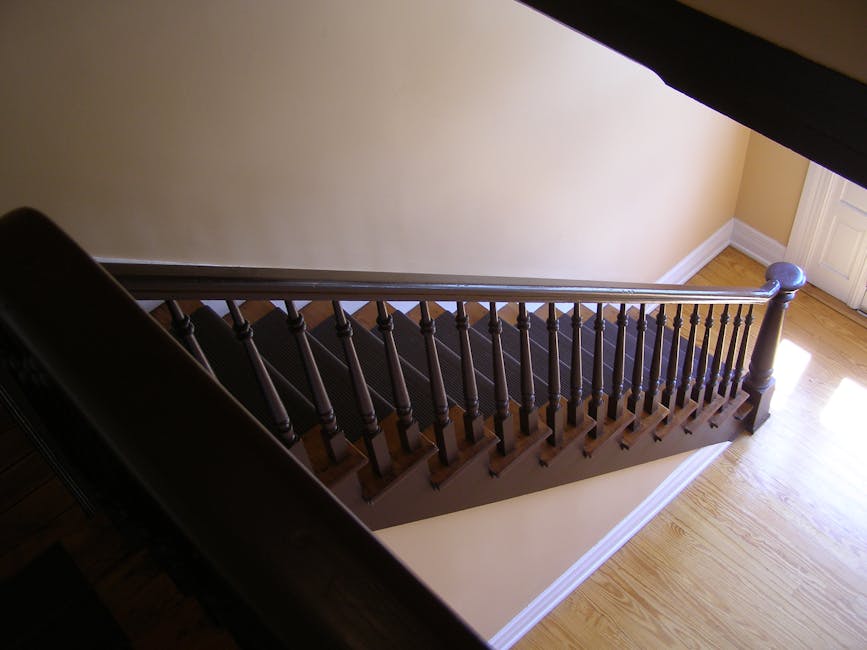
Victorian terraces were built for a different kind of daily life. Their staircases are often steeper than modern standards, their landings can be tight, and the turning points can be surprisingly unforgiving for large furniture. That matters because moving day is usually decided in the small moments: a chest of drawers catching on the newel post, a mattress twisting through a narrow half-landing, or a fridge making it only halfway before everyone has to stop and rethink.
The problem isn't just inconvenience. Tight stairs increase the risk of damage to furniture, walls, banisters, and doorframes. They can also increase physical strain on the people carrying items. In a terrace, the route from pavement to bedroom can be a series of pinch points, and each one deserves attention. Truth be told, many moves go off track not because of the heavy items, but because of the awkward ones.
There's also the human side. Moving into a new home should feel exciting, yet one failed lift up the stairs can drain the whole day. If you've ever seen a dresser hovered mid-landing while three people debate the angle, you'll know the feeling. It's not dramatic, but it is tiring. Planning for the stair layout early saves time, money, and a fair bit of frustration.
For that reason, terrace moves reward preparation more than brute strength. A good moving plan will account for access, angles, floor protection, timing, and the order in which items go in. It's the difference between a controlled move and a very long afternoon.
How Moving into Victorian terraces: Stair and landing challenges Works
The practical approach starts before any boxes are lifted. First, you assess the route. That means checking the width of the front door, hallway, stairs, turns, landings, and the bedroom doors upstairs. In many terraces, the internal route matters more than the size of the van outside. A large vehicle can park perfectly and still not solve the problem of a sofa that can't make the turn.
Next comes item planning. Not everything needs to be moved in the same way. Flat-pack furniture is easier to split down. Wardrobes may need doors removed. Sofas may need protective wrapping and a careful tilt. White goods often need two-person handling and a clear path with no loose rugs, trailing cables, or open doors getting in the way.
Then there's protection. Stair rods, painted walls, polished bannisters, and old plaster can be easily marked. In a terrace, you usually want floor runners, corner protection, and plenty of wrapping on sharp edges. If rain has made the pavement muddy, you may need extra protection at the entrance too. Small detail, big difference.
Finally, the actual carry is usually done with a sequence in mind. Heavy items first, boxed items in organised runs, fragile pieces separately, and anything awkward only after the team has a clear route. This is where experienced movers make a real difference. They're not just lifting; they're reading the stairwell, deciding angles, and preventing the kind of near-miss that leaves everyone silently grateful.
Key Benefits and Practical Advantages
It may sound strange, but understanding terrace stair and landing issues properly can actually make the move smoother than many newer-home moves. Once the risks are mapped out, everything becomes more predictable.
- Less damage: Good planning helps protect walls, paintwork, railings, and furniture edges.
- Faster progress: Items move in the right order, so nobody wastes energy reworking a failed lift.
- Lower stress: You're not improvising every five minutes.
- Better use of labour: The right team and the right equipment reduce strain and confusion.
- Safer handling: Narrow stairs and turns are where slips and awkward grips happen, so preparation matters.
There's another benefit that people underestimate: better decision-making about what to bring in first. A terrace move often goes more smoothly when you think in terms of access rather than room labels. For example, you may decide to move the bed frame first because it can be split down, while the oversized armchair waits until the landing is clear. That kind of sequencing sounds simple, but it saves a lot of back-and-forth.
If you're still comparing moving support options, you might find it useful to look at house removalists for fuller household assistance or removal truck hire where transport planning is a major part of the job.
Who This Is For and When It Makes Sense
This topic matters most if you're moving into a Victorian terrace with a staircase that looks fine until you stand at the bottom of it with a sofa. It's especially relevant for families, flat-sharers, first-time buyers, renters, and anyone moving into older London housing where access is more characterful than convenient.
You'll also benefit from careful planning if you have:
- large furniture that may need turning on landings
- heavy or fragile items such as wardrobes, mirrors, or appliances
- limited help on the day
- restricted parking, which adds timing pressure
- an older staircase with narrower treads or a steep rise
It makes sense for people who want to avoid last-minute scrambles. If you know the staircase is tight, don't wait until moving day to discover it. That sounds obvious, but it happens all the time. One quick measurement can change the entire moving plan.
The same applies if you're relocating a home office into a terrace and need a desk, printer, or storage unit upstairs. In those cases, a service like office relocation services may be useful even for a home setup, especially when there's a lot of equipment involved.
Step-by-Step Guidance
- Measure the access points. Check the front door, hallway, staircase width, landing size, ceiling height on the turn, and the doorway into each room.
- List the awkward items first. Anything tall, wide, fragile, or heavy should be identified early. Don't leave it to chance.
- Decide what can be dismantled. Beds, tables, shelving, and some wardrobes are much easier once broken down safely.
- Clear the stair route. Remove mats, shoes, plants, bins, picture frames, and anything else that gets in the way. Yes, even the little things.
- Protect the property. Use covers, blankets, runners, and corner guards where needed.
- Assign the order of load-in. Put the items that need the most planning through the stairs first, before fatigue sets in.
- Use the right carrying method. Two-person lifts, straps, dollies, and furniture sliders can help, but only if the route allows them.
- Pause at the landing if needed. Landings are often the make-or-break point. Reset, breathe, and re-angle the item rather than forcing it.
- Check each room before placing items. It's much easier to adjust an item before the packing tape comes off and everyone's tired.
A small but useful point: the move-in order should usually follow access, not emotion. You might want the sofa upstairs first because it feels like the heart of the room, but if the wardrobe is the item that blocks the staircase strategy, deal with that first. Slightly dull? Maybe. Effective? Absolutely.
If packing is part of your bottleneck, it may be worth combining this with packing and unpacking services. Proper packing can reduce awkward shapes, which makes stair carrying far less painful.
Expert Tips for Better Results
Here's where the experience really pays off. The best terrace moves are rarely about speed alone; they're about judgement.
- Measure with the item, not just the room. A tape measure in the hallway is useful, but the actual item shape matters more. A sofa arm can catch even when the width seems fine.
- Watch the landing corner. Many items fail at the turn, not on the stairs themselves. If the landing is tight, plan the turning angle before the item reaches it.
- Remove detachable parts early. Handles, feet, shelves, and loose glass can all make a move more awkward than it needs to be.
- Protect both old and new surfaces. Victorian properties can have delicate paintwork and scuffed bannisters, and fresh walls are no better if you're moving in after decorating.
- Keep tools within reach. Screwdrivers, Allen keys, tape, labels, and gloves should be easy to grab, not buried in the van under three boxes of kitchenware.
Another simple but powerful tip: don't let the first failed lift become the plan. Stop, re-evaluate, and take a different angle. You'd be surprised how often a minor change in body position solves what looked impossible. On a quiet street in London at 8am, with the front door propped open and a kettle boiling inside, that little reset can feel like a gift.
For a broader move, comparing man with van support with a larger vehicle setup such as moving truck options can help you match the service to the space. Bigger is not always better, by the way. Sometimes it's just bulkier.
Common Mistakes to Avoid
Most terrace move issues come from a handful of predictable mistakes. The good news is they're avoidable.
- Assuming a standard staircase. Victorian terraces vary more than people expect. One house may have a generous return; the next may feel like a ladder with aspirations.
- Not checking measurements in advance. This is the big one. Guessing is not a strategy.
- Trying to force oversized items through. Pressure can lead to damage very quickly.
- Ignoring the landing. Even if the stairs are passable, the turn may still defeat the item.
- Leaving unpacked clutter on the stairs. A clear route is a safe route. Simple as that.
- Underestimating fatigue. What feels manageable for the first hour can become clumsy by the third.
Another mistake is assuming that every item should be moved upright. Sometimes a gentle tilt, a sideways carry, or removing part of the furniture is the right call. Not always, of course, but often enough that it's worth considering before someone gets the bright idea to "just push it a bit more". That phrase has caused more trouble than it deserves.
Tools, Resources and Recommendations
You do not need a van full of specialist gear to move into a Victorian terrace well, but a few practical tools make a real difference. The right kit reduces stress and keeps everyone moving with more confidence.
| Tool or resource | What it helps with | Best used for |
|---|---|---|
| Measuring tape | Checking stair width, landing space, and item dimensions | Pre-move planning |
| Furniture blankets | Protecting frames, corners, and painted surfaces | Large or delicate furniture |
| Floor runners | Reducing scuffs and dirt on carpets and boards | Hallways and stair routes |
| Straps and gloves | Helping grip, balance, and control heavy items | Appliances and bulky boxes |
| Labels and room plans | Making unloading faster and less chaotic | Full-house moves |
For disposal or pre-move clearing, a service such as furniture pick up can help if you're replacing oversized items that are unlikely to suit the staircase anyway. That can be a neat way to simplify the move before it starts.
It also helps to check practical information on pricing and quotes, so you understand what's included and where access challenges may affect the scope of work. No one likes surprises on moving day, not the good kind, not the expensive kind.
Law, Compliance, Standards, or Best Practice
For most home moves, the main concern is not legal complexity but safe working practice and sensible risk management. Still, there are a few standards and expectations worth keeping in mind.
Removal teams should work in a way that reduces the risk of injury to themselves and others, which means clear communication, sensible manual handling, and using equipment appropriately. In a Victorian terrace, that usually translates into careful lifting, not rushing at the stair turns, and pausing when an item needs to be re-angled. It sounds basic, but basic is good when stairs are involved.
Property protection is also part of best practice. If a team is moving through narrow stairs and tight landings, they should consider how to prevent scuffs, chips, and damage to the home. Good movers will usually assess access before lifting anything major. If they don't, that's a small red flag.
If you're choosing a provider, it is reasonable to ask about risk awareness, item handling, and what happens if access is more difficult than expected. The same applies if you want to understand coverage and responsibilities; insurance and safety information should be clear and practical, not buried in vague language. You can also review the company's health and safety policy if you want a better sense of how they approach moving in tighter properties.
One more thing: older homes can bring older finishes. If your terrace has delicate plaster, soft woodwork, or recently decorated walls, take that seriously. The goal is not just to get the furniture upstairs. It's to get it upstairs without turning the landing into a repair list.
Options, Methods, or Comparison Table
Different moving methods suit different terrace layouts. The best choice depends on how much furniture you have, how steep or narrow the stairs are, and whether you need full-service support or just help with the heavy lifting.
| Option | Best for | Strengths | Trade-offs |
|---|---|---|---|
| Self-move | Very small loads, light furniture, low complexity | Lower cost, flexible timing | Higher strain, more risk of damage, slower on stairs |
| Man and van | Smaller household moves, limited access, one or two rooms | Agile, practical, often easier around terrace streets | May not suit very large loads or multiple heavy items |
| Full home removal | Whole-house moves with awkward access and bulky furniture | More coordination, better handling, less stress | Usually more planning required |
| Truck hire with support | Moves that need transport capacity and access planning | Flexible for larger loads and phased moves | Needs good organisation to avoid delays |
If you're weighing up services, the right choice often depends less on prestige and more on geometry. A compact support setup can be better than a huge vehicle if the real problem is a twisting staircase, not the road outside.
Case Study or Real-World Example
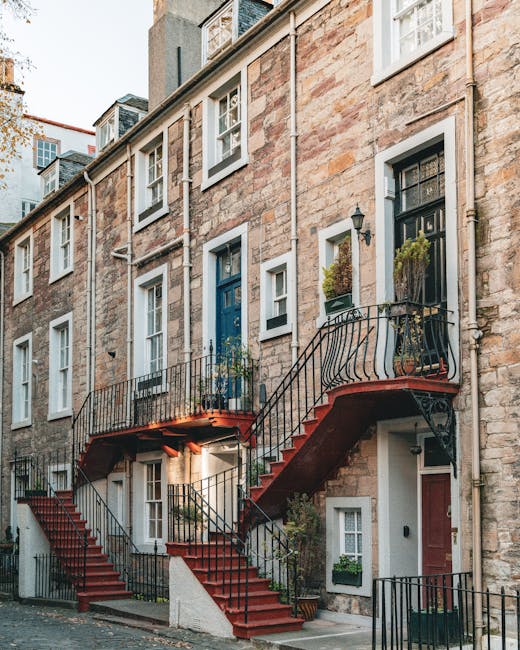
Picture a fairly typical Victorian terrace: front reception converted into a living room, a narrow hallway, and a staircase that turns sharply halfway up to a small landing. The new residents have a sofa, a double bed, a mattress, a wardrobe, and a dining table. Nothing outrageous. Nothing exotic. But the staircase is the issue.
On arrival, the movers start with a quick access check. The wardrobe is too tall to carry upright, so the doors come off, the contents are emptied, and the body is wrapped. The sofa is fine width-wise, but one arm catches near the landing, so it's rotated before the turn rather than after. The bed frame goes upstairs in pieces. The dining table legs are removed. Simple decisions, really, but they save a lot of grief.
What made the move work was not force. It was order. The team protected the banister, cleared the stair route, and loaded the most awkward pieces first. One box of books was left until the end because nobody wanted to carry it early and then waste energy. Sensible choice, that. By mid-afternoon, the house felt lived in rather than besieged.
The resident later said the landing mattered more than expected. That's the thing with terraces: the staircase gets all the attention, but the landing is often where the move either flows or stalls. Once you understand that, you start planning very differently.
Practical Checklist
- Measure the stairs, landing, and doorways before moving day.
- Check whether bulky furniture can be dismantled.
- Remove loose items, rugs, and clutter from the stair route.
- Protect bannisters, corners, floors, and freshly painted walls.
- Decide which items need two-person handling.
- Identify anything that may need a different carrying angle.
- Keep tools, tape, and labels easy to reach.
- Move the most difficult items before everyone gets tired.
- Confirm where parking and unloading will happen outside.
- Have a backup plan for anything that simply will not fit in one piece.
Expert summary: Victorian terrace moves are usually won by preparation, not speed. Measure first, protect the route, dismantle where sensible, and treat the landing as a key obstacle rather than an afterthought.
Conclusion
Moving into a Victorian terrace can be a wonderful step, but the stair and landing challenges deserve real respect. The homes are characterful, warm, and often full of life, yet they can also be surprisingly demanding on moving day. Once you account for turns, height, width, and the shape of each item, the whole process becomes much more manageable.
The main lesson is fairly simple: don't leave access to chance. A careful plan, the right moving support, and a little patience can save your furniture, your walls, and your sanity. And yes, there will probably be one item that makes everyone pause and scratch their head. That's normal. It's also temporary.
If you're preparing a terrace move and want help with the practical side of access, packing, transport, or heavy lifting, start by exploring the relevant moving options and get the job sized properly from the outset. A calmer move is usually a better move, full stop.
Get a free quote today and see how much you can save.
Frequently Asked Questions
What makes Victorian terrace stairs harder than modern stairs?
They're often steeper, narrower, and more awkward around the turn. The landing can be tight too, which makes large furniture harder to manoeuvre.
How do I know if my sofa will fit up the stairs?
Measure the sofa at its widest points, then compare that with the stair width, landing space, and ceiling height at the turn. If the item needs to tilt or rotate, allow extra room.
Should I dismantle furniture before moving into a Victorian terrace?
Usually, yes if it can be done safely. Beds, tables, wardrobes, and shelving often become much easier once broken down into smaller parts.
What should I do if an item gets stuck on the landing?
Stop, keep hold of it safely, and reset the angle. Don't force it. In most cases, a different tilt or a short pause solves the problem without damage.
Do I need professional help for a terrace move?
Not always, but it often helps if you have bulky furniture, limited help, or a narrow stairwell. A professional team can judge the route more quickly and reduce the risk of damage.
How can I protect the walls and bannisters?
Use protective covers, blankets, and corner guards. Clear the route first so nobody brushes against the walls unnecessarily while carrying awkward items.
What items are most likely to cause problems?
Sofas, wardrobes, mattresses, large mirrors, desks, and appliances are the usual troublemakers. Anything wide, tall, or fragile deserves a proper plan.
Is a man and van service enough for a terrace move?
Sometimes, yes, especially for smaller moves or fewer items. For a whole-house move with many heavy pieces, you may need fuller removal support.
How early should I measure the staircase?
As early as possible, ideally before you finalise how much furniture is coming with you. That way, you can avoid bringing items that are simply not practical for the space.
Will packing properly really help with stair access?
Yes. Tighter, neater packing makes boxes easier to stack and carry, and removing loose parts from furniture reduces awkward shapes on the stairs.
What if parking outside the terrace is difficult?
Plan for it in advance. Short carry distances can still be fine if the stair route is clear, but poor parking can slow everything down and make timing tighter.
Where can I read about safety and trust before booking?
It's sensible to review the company's published information, including about us, insurance and safety, and terms and conditions. Clear information is usually a good sign.