SW1 removals near Westminster: Best local moving routes
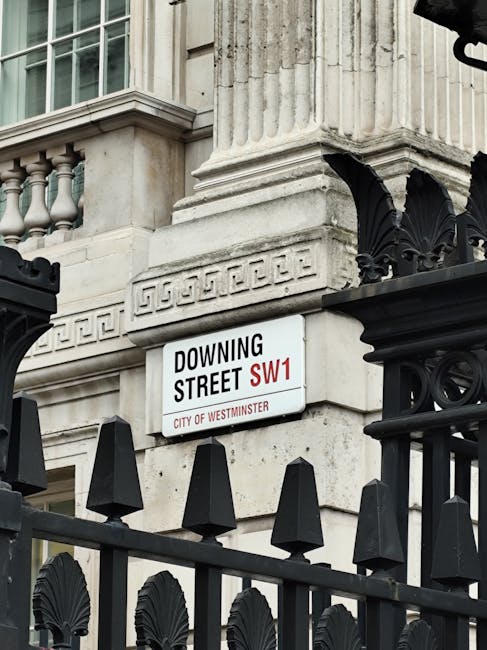
Moving in SW1 can feel deceptively simple on a map and mildly chaotic in real life. Westminster looks compact, but anyone who has tried to get a van through peak-hour traffic, around bus lanes, past loading restrictions, and into a narrow mews will know the truth: local knowledge matters. This guide on SW1 removals near Westminster: Best local moving routes breaks down the routes, timing, access issues, and practical decisions that make a move smoother, safer, and less stressful.
Whether you are leaving a flat near Victoria, moving into a townhouse off St James's Park, or shifting an office close to Parliament, the right route can save time, reduce carrying distance, and help avoid the kind of delays that turn a moving day into an all-day puzzle. Let's get into the details.
Why SW1 removals near Westminster: Best local moving routes Matters
SW1 is one of those parts of London where distance is not the real issue. A move from Westminster to Pimlico, or from Belgravia edge streets into Victoria, may look short on paper. In practice, it can involve one-way systems, controlled zones, school run traffic, event-related road pressure, and limited places to stop safely. That is why route planning is not a nice extra. It is central to a successful house move or office relocation.
The best local moving routes matter for three reasons. First, they help the removals vehicle reach your property without awkward turns or last-minute reversals. Second, they reduce the time your team spends waiting, which can keep the day calmer. Third, they protect furniture and fittings by shortening the amount of carrying between the van and the front door. A shorter carry often means fewer knocks, fewer scrapes, and less exhausted lifting. Simple, but effective.
In Westminster, access is often the hidden cost of a move. A building might be only a few streets away, but if there is no safe loading bay, a tight courtyard, or a busy road outside the entrance, the whole job changes shape. That is the bit many people underestimate. Truth be told, it is usually the access, not the box count, that decides how easy a move feels.
Practical takeaway: in SW1, the smartest move is rarely the shortest route on a map. It is the route that allows legal stopping, sensible vehicle size, and the least amount of time spent carrying heavy items through busy streets.
How SW1 removals near Westminster: Best local moving routes Works
A good local removals route in Westminster is planned around the property, the vehicle, the time of day, and the type of load. If you are moving from a ground-floor flat near Pimlico Road, the route choice may be straightforward. If you are on a higher floor, in a mansion block, or in a building with constrained access, route planning becomes a bigger part of the job.
Here is the basic logic professionals use:
- Start with the property access points. Where can the van legally stop? Is there a loading bay, forecourt, shared mews, or side street?
- Check the street pattern. Westminster has many roads that look convenient but are not friendly to larger vehicles, especially where turns are tight or traffic is dense.
- Match vehicle size to the route. A larger truck may be efficient for volume, but a more compact vehicle can sometimes be better for tricky SW1 streets.
- Plan around peak pressure. Morning commuting, lunchtime traffic, and late-afternoon congestion can all influence timing.
- Build in a margin for access delays. Lifts, porters, delivery vehicles, and building management checks can all add minutes. Sometimes more than minutes.
For many local moves, the route is not just one road. It is a sequence: collect packing materials, park or load safely, transport across nearby borough edges if needed, then unload with the least possible interruption. If you are using a service such as man and van support in central London, that flexibility can be especially useful on short-notice or smaller-property moves where access matters more than truck size.
One small but important point: route planning should also account for the return journey. A route that works beautifully outbound may be awkward when the vehicle comes back to the base or next job. In busy areas, timing the full cycle helps prevent the sort of delay that leaves everyone staring at the clock.
Key Benefits and Practical Advantages
When the route is chosen well, the benefits are immediate and very tangible. You may not notice them in a dramatic way, but you will feel them by the end of the day. Less stress, fewer pauses, fewer "where do we park?" conversations. And let's face it, those conversations are rarely the fun part.
- Faster loading and unloading: closer, legal access reduces carrying time.
- Lower risk of damage: fewer handovers and shorter distances mean fewer chances to bump furniture or walls.
- Better time control: a realistic route helps prevent the whole schedule drifting.
- Reduced physical strain: shorter carries are easier on movers and safer for bulky items.
- More predictable costs: less waiting and fewer access surprises often mean a cleaner overall job plan.
Another benefit is confidence. When your removals team already knows the likely pinch points near Westminster, you do not have to explain every road restriction from scratch. That can be a relief if you are juggling paperwork, keys, building notifications, and the usual moving-day bits and pieces.
For people managing a business move, route efficiency can also protect continuity. If staff are waiting for IT equipment, desks, or files, every minute matters. In those situations, you may want to consider office relocation services that can be aligned with building access windows and quieter roads.
Who This Is For and When It Makes Sense
This topic is relevant for a wide mix of people, not just anyone moving a sofa and a few boxes. SW1 removals near Westminster often suit:
- tenants moving in or out of flats near Victoria, St James's, or Pimlico
- homeowners shifting between central London properties
- landlords arranging changeovers between tenancies
- businesses relocating offices or satellite teams
- people downsizing and needing a careful, efficient local move
- anyone with awkward access, narrow staircases, or limited parking
It makes especially good sense when the property is close to busy roads, formal buildings, or areas with strict stopping rules. If you have a basement flat, an upper-floor apartment, or a building with a shared entrance, route planning becomes even more valuable. A van that can approach safely and legally can save a surprising amount of hassle.
This is also a smart topic if you are comparing small local moves with larger relocation jobs. A two-bedroom flat move across SW1 may need a very different approach from a full family house removal. The same goes for fragile items, antiques, or furniture that has to be dismantled before travel. A good service should adapt. Not the other way around.
Step-by-Step Guidance
If you want a move that feels organised rather than improvised, start with the route and work backwards. Here is a practical sequence that works well in Westminster.
1. Map the property access first
Before anything goes on the van, identify where loading is possible. Check the front entrance, side access, nearby side streets, and any building-managed loading spaces. If there is a porter or concierge, speak to them early. They often know the building quirks that are not obvious from the pavement.
2. Decide what needs specialist handling
Large wardrobes, mirrored furniture, pianos, art, and heavy appliances need more than ordinary carrying. The route may need to avoid rough surfaces, steep kerbs, or long stair carries. If packing is still underway, services like packing and unpacking services can reduce pressure and improve the flow on moving day.
3. Choose the vehicle that fits the streets
A big truck is not always the best answer in SW1. Sometimes a smaller moving vehicle or a split-load approach is more sensible if the streets are tight or stopping space is limited. A compact vehicle may mean fewer access headaches, even if it requires slightly more careful scheduling.
4. Time the move around traffic and building access
Early morning can work well for some moves because roads are quieter. In other cases, a mid-morning slot may be better if building staff, lifts, or parking permissions are not available earlier. There is no one-size-fits-all answer here. Westminster is too varied for that.
5. Keep the handoff simple
When the team arrives, the fastest jobs usually happen when the first 10 minutes are clear. Keys ready. Entry code ready. Parking plan confirmed. Boxes grouped. It sounds obvious, but in the real world these small things save time.
6. Review the return route and unloading plan
If you are moving into SW1, check where the vehicle will unload before it arrives. If you are moving out, check how the outgoing property should be left so the process is not slowed by last-minute searches for keys, bin bags, or a lost tape roll. Happens more than people think.
Expert Tips for Better Results
Here are the practical details that tend to separate a smooth move from an exhausting one.
- Use realistic time buffers. In central London, the "quick" move can change shape if traffic builds or access is delayed.
- Label by room, not just item type. It speeds up unloading in a flat or office with multiple levels.
- Protect corners before you need to. Hallways in older buildings are not forgiving.
- Ask about vehicle access in advance. Do not wait until the van is nearby.
- Pack a first-day essentials bag. Tea, chargers, documents, medication, toiletries, and a change of clothes. Small thing, big relief.
- Take a quick photo of complex setups. Cables, shelving, and assembled furniture are easier to rebuild with a reference.
One useful local habit is to think in terms of "last 50 metres." That is the distance from the vehicle to the door, and it can matter more than the road journey. If that stretch is awkward, the whole move feels awkward. If it is clear, well, everything usually flows better.
To be fair, some of the best moving advice is gloriously unglamorous: pack the kettle last, keep the screws in a labelled bag, and don't put your passport in the same box as the winter jumpers. You will thank yourself later.
Common Mistakes to Avoid
Westminster moves often go wrong for predictable reasons. The good news is that most of them are avoidable if you think ahead.
- Assuming any route will do. A short distance does not automatically mean an easy route.
- Ignoring parking and stopping rules. This is one of the biggest causes of stress on local moves.
- Booking the wrong vehicle size. Too large can create access issues; too small can cause multiple trips.
- Forgetting building restrictions. Some properties have lift bookings, porter hours, or delivery windows.
- Underestimating packing time. If items are not boxed and ready, the route plan can unravel fast.
- Not protecting furniture properly. Local does not mean low-risk.
There is also a mindset mistake: treating the moving day like a pure transport job. In SW1, it is really an access-and-logistics job with transport attached. That shift in thinking helps a lot.
Tools, Resources and Recommendations
You do not need fancy equipment to plan a better move. In most cases, the most useful tools are simple and practical.
- Floor plans or room lists: useful for deciding what should be loaded first and where it should go on arrival.
- Phone notes: good for recording access instructions, lift bookings, and parking details.
- Labels and colour markers: help keep boxes organised without overcomplicating anything.
- Furniture blankets and straps: basic but essential for protection in transit.
- Spare bags and tape: because one missing roll of tape can feel oddly dramatic on moving day.
If you are comparing service options, you may want to look at home moves for full-house support, or man with van arrangements if your move is smaller and you value flexibility. For larger loads, a moving truck or removal truck hire may be more suitable, provided the street access works.
It can also be useful to review company information before booking. Pages such as about us, pricing and quotes, and insurance and safety help you understand how the service is structured and what level of support is included.
Law, Compliance, Standards, or Best Practice
In Westminster, compliance usually comes down to a mix of common-sense planning and respecting local rules around parking, loading, noise, and access. The exact requirements can vary by street, building, and time of day, so it is best not to assume the same approach will work everywhere in SW1.
Best practice usually includes:
- checking stopping and loading restrictions before the move
- booking any required building access or lift slots in advance
- making sure walkways stay clear and safe
- using suitable equipment for heavy lifting
- confirming whether the service is insured for the type of move you need
If you want to understand how a provider approaches safety, it is worth reviewing their public policies, especially health and safety policy and complaints procedure. For general commercial transparency, pages like payment and security and terms and conditions are also helpful.
If your move involves recycling unwanted items or reducing waste, a provider with a clear recycling and sustainability approach can make disposal easier and more responsible. That matters more than people think, especially when you are trying to clear a property quickly but properly.
Options, Methods, or Comparison Table
Choosing the right method for a Westminster move depends on volume, access, urgency, and how much lifting you want to manage. Here is a practical comparison.
| Option | Best for | Strengths | Watch-outs |
|---|---|---|---|
| Man and van | Smaller flat moves, flexible access, short notice | Good for tight streets and lighter loads | May be less suitable for larger household moves |
| Man with van | One-off items, student moves, partial loads | Simple, often cost-effective, easy to tailor | Limited volume if you have many boxes or large furniture |
| Moving truck | Full-property moves and larger loads | Handles more items in one journey | Can be harder to position on narrow Westminster roads |
| Removal truck hire | Moves with defined logistics and predictable loading space | Useful when the site can accommodate a bigger vehicle | Requires more careful planning around access and stopping |
| Office relocation services | Business moves, desks, files, and equipment | Supports planning, timing, and coordination | Needs clear building access and a structured schedule |
If you are unsure which method suits your move, start by asking one simple question: can the vehicle safely stop where the items actually need to come out? If the answer is no, the rest of the plan needs adjusting. That one question saves a lot of back-and-forth.
Case Study or Real-World Example
Picture a typical SW1 move: a two-bedroom flat near Victoria, with a shared entrance, a lift that is just a bit too small for the larger wardrobe, and a street that gets busy early. The route itself is only a short drive across Westminster, but the real challenge is timing the loading, finding a legal stopping point, and getting the larger furniture out without blocking the entrance.
In a case like that, the move often works best when the van arrives early enough to use the quietest part of the morning, with the heaviest items handled first. A compact vehicle may be the better choice if the street outside is narrow or heavily parked. The wardrobe may need to be dismantled. The sofa may need protective wrapping. The boxes should be staged by room before the crew arrives, otherwise everything gets slower, and nobody wants that.
What usually makes the difference? Clear instructions, sensible vehicle choice, and a route that avoids the most awkward turns. It is not glamorous. But it works. And in moves like this, working is the whole point.
Practical Checklist
Use this checklist to keep your SW1 move on track.
- Confirm the exact moving date and access times
- Check where the vehicle can legally stop
- Measure large furniture and doorways
- Book lift access if needed
- Label boxes by room and priority
- Prepare a first-night essentials bag
- Protect delicate items with suitable packing materials
- Decide whether a compact vehicle or larger truck is more practical
- Share entry codes, porter details, and contact numbers in advance
- Review insurance, safety, and payment details before the move
- Set aside time for final checks and a property walk-through
If you want a smoother experience, this is the point where a calm, methodical approach really pays off. Slow is often smooth. Smooth is often fast. A bit annoying to hear, maybe, but true.
Conclusion
SW1 removals near Westminster are rarely difficult because of the distance. They are difficult, or easy, because of the route. The best local moving routes are the ones that respect access limits, match the right vehicle to the streets, and keep the move legally and physically manageable from start to finish. Once you think in those terms, everything becomes more straightforward.
Whether you are moving a studio flat, a family home, or a workplace, the real win is not just getting from A to B. It is arriving with your day intact. That is what a smart route does. It keeps the move moving.
Get a free quote today and see how much you can save.
Frequently Asked Questions
What are the best local moving routes for SW1 removals near Westminster?
The best routes are usually the ones that allow legal loading, avoid the tightest turns, and reduce carrying distance from the van to the door. In Westminster, the "best" route is often more about access and timing than about the shortest map distance.
Is a smaller van better for moving in Westminster?
Often, yes. A smaller van can be easier to place on narrow streets or in areas with limited stopping space. That said, the right choice depends on load size, the building layout, and how much can fit in one trip.
How early should I book a SW1 removal?
As early as possible, especially if your move depends on building access, lift bookings, or timed parking arrangements. Even a local move can become complicated quickly if you leave those details too late.
Can removals be done in busy central London streets?
Yes, but they need more planning. Busy streets are manageable when the vehicle size, loading point, and timing are chosen carefully. It is the hurried, unplanned version that tends to cause trouble.
What if my Westminster property has no parking outside?
That is common in central London. A removals team may need to use nearby legal stopping space, a loading bay, or a different vehicle size. The key is to identify that issue before moving day, not after the van has arrived.
Do I need packing services for a local move?
Not always, but they can be very useful if you are short on time, moving fragile items, or dealing with a property that has awkward access. Good packing can make the route and unloading process much smoother.
What type of move works best with a man and van service?
Man and van services usually suit smaller household moves, partial loads, student moves, and short-distance transfers. They are especially useful when you need flexibility in central London and do not have a huge amount of furniture.
How do I reduce the risk of damage during a Westminster move?
Use proper packing, protect furniture corners, measure awkward items, and make sure the route from the property to the vehicle is as clear as possible. Shorter carrying distances usually mean fewer bumps and less strain.
Are office relocations in SW1 different from home moves?
Very much so. Office moves often need tighter scheduling, equipment handling, and a plan for staff continuity. They may also involve loading during quieter periods to minimise disruption to the building or nearby roads.
What should I ask a removals company before booking?
Ask about vehicle size, access planning, insurance, safety practices, and how they handle tricky streets or limited parking. It is also sensible to check pricing, payment terms, and what support is included on the day.
How can I tell if my route plan is realistic?
If the plan relies on uncertain parking, ignores building access, or assumes the largest vehicle will somehow fit anywhere, it probably needs adjusting. A realistic plan is the one that works on a busy weekday, not just on paper.
What is the biggest mistake people make with SW1 removals?
They underestimate access. In Westminster, access, parking, and timing usually matter more than the distance itself. Once that is accepted, the move becomes much easier to plan properly.
And if you are still weighing up the best approach, take a breath. A good local move in SW1 is absolutely doable. It just rewards careful planning, a bit of patience, and the right route under your wheels.